 Pricing
How Much Does Pest Control Cost in Brisbane? Upfront Pricing Explained
General pest control in Brisbane is best treated as a targeted inspection and management process rather than a uniform spray across the property. The right method depends on species identification, activity level, building construction and the presence of children, pets or sensitive areas.
If you are researching pest control costs in Brisbane, it helps to understand the scope of work and what a technician needs to assess rather than relying on a generic figure. This guide explains the process, preparation, safety considerations and questions to ask for properties in Brisbane.
What influences the scope of general pest control in Brisbane?
Property layout, access, material condition, severity of the issue and the need for follow-up all change the work involved. A clear description of the problem allows the team to recommend a suitable inspection and approach. Any proposed treatment should be explained in writing before it begins.
For service-specific information, see General Pest Control for Brisbane. Confirm which areas are included and which conditions may require a different method.
Which pests need attention
Cockroaches, ants, spiders and occasional invaders have different habits. Correct identification matters: evidence, harbourage and food or moisture sources help determine an appropriate plan.
Assessment before treatment
A professional may inspect kitchens, wet areas, entry points, outdoor edges and hidden harbourage. Discuss recent sightings, previous treatments and any sensitive surfaces or occupants.
Treatment and risk management
An integrated approach combines housekeeping, exclusion, monitoring and targeted products where appropriate. Ask the technician about product instructions, re-entry guidance and any steps you must take before or after treatment.
Keeping pests from returning
Remove food residue, manage leaks, seal obvious gaps and keep outdoor vegetation away from access points where practical. Schedule further inspection if fresh activity appears rather than assuming one visit has solved every cause.
Questions to ask before arranging a visit
- What inspection is needed before the method is confirmed?
- What preparation should occupants complete?
- Are there material, access or safety limitations to consider?
- How will you confirm completion and recommend follow-up?
Why local conditions in Brisbane matter
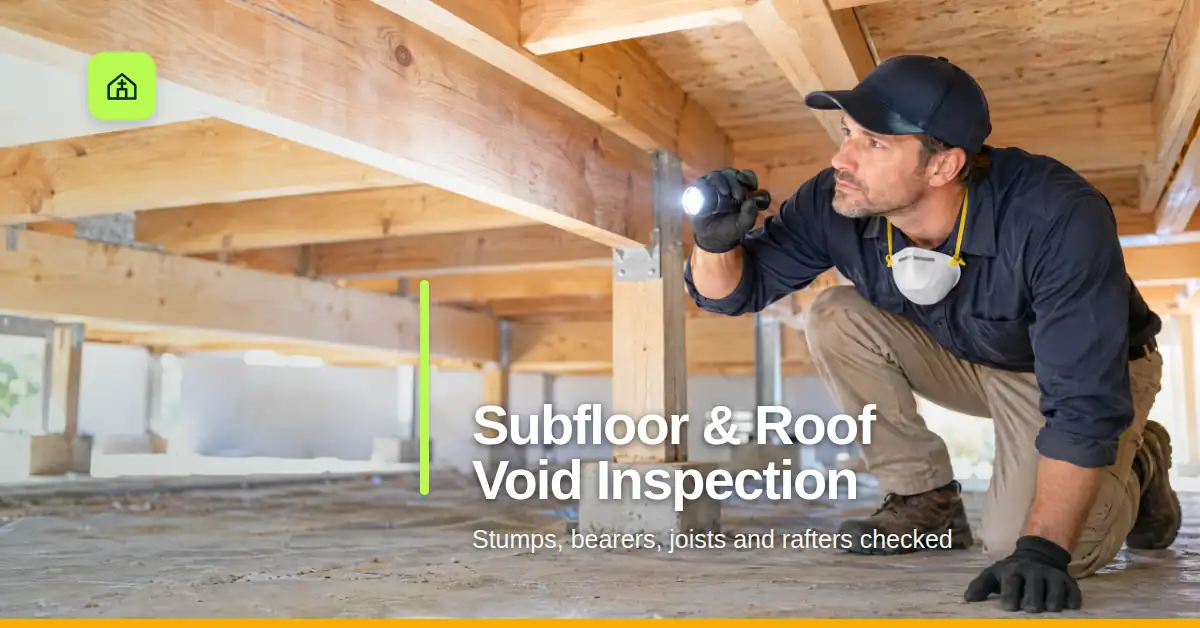
Buildings with roof voids, service penetrations and sheltered storage spaces can conceal activity. Weather, neighbouring properties and access restrictions all affect how inspections are planned. Avoid unsafe access to roof cavities or confined spaces.
Related services to consider
Depending on the assessment, related needs may include cockroach control and spider control. These are optional complementary services, not automatically part of the requested appointment. Discuss them during the enquiry rather than assuming they are required.
Identifying the specific pest
An inspection should distinguish the animal or insect involved and assess where it is living, feeding or entering. Ant trails, cockroach activity, spiders and rodents call for different strategies, even if they appear in the same building. Photographs of evidence and information about the time of sightings help the technician make an informed assessment. Avoid assuming a general spray solves every issue.
Understanding the treatment plan
Ask which areas will be inspected, what treatment method is proposed, whether occupants or pets must leave temporarily and what preparations are required. A competent service should explain relevant safety instructions and what to expect after treatment. Follow-up may be necessary when eggs, hidden harbourages or building gaps remain. Monitoring and hygiene can be just as important as the initial intervention.
Improving prevention around the property
Seal appropriate access gaps, repair leaks, store food securely and reduce sheltered clutter near the building. Gardens, bins and shared walls may influence recurring activity, so an effective plan considers the broader property. Avoid indiscriminate chemical application because it can introduce unnecessary exposure without addressing the pest source. Use products only as directed on their labels.
Working with the provider after treatment
Record where activity continues and ask how to distinguish residual sightings from a new problem. Understand any re-entry, cleaning and ventilation instructions before normal use resumes. If children, pets or sensitive occupants use the property, raise those needs in advance. Keep the service notes and inspection findings so future prevention efforts focus on known entry points and conditions.
Identify the pest before selecting treatment
Ants, cockroaches, spiders and other household pests have different habits and control methods. A treatment that targets the wrong species may leave the actual source untouched. Note where insects appear, when activity peaks and whether moisture or food attracts them. Clear photos can support identification, but a site assessment may still be necessary. Tell the provider about children, pets, aquariums and sensitive areas so the plan is suitable for the property and its everyday occupants.
Combine treatment with everyday prevention
Sealing obvious gaps, repairing leaks and storing food securely can reduce conditions that sustain pests. Declutter cupboards and remove cardboard or standing water where practical. Outdoor vegetation and stored materials near walls may provide sheltered routes into buildings. Some pest issues require repeated monitoring because eggs, nests or concealed populations remain beyond immediate reach. Ask what signs to watch for rather than assuming that the absence of visible insects after one visit proves complete control.
Prepare the property safely
Follow the pest professional’s preparation instructions for cupboards, floors, furniture and access points. Do not apply additional sprays or mix household chemicals before or after a planned treatment without advice, as this can interfere with methods and create exposure risks. Keep food, personal items and pet supplies protected as directed. Ask about ventilation and safe re-entry requirements for the products being used, especially in enclosed rooms.
Review results without guesswork
Record pest sightings by location and date after service, noting whether insects are active, sluggish or already dead. Some residual products work over time, while other approaches depend on removing attractants or sealing access points. A follow-up conversation should focus on the identified pest and the inspection findings. If activity continues, check whether there is an untreated breeding site, an adjacent source or a moisture problem that needs a separate repair.
Frequently asked questions
Can the service be arranged without an on-site assessment?
You can normally submit an enquiry first, but photographs and a short description may not reveal hidden damage, material restrictions or inaccessible areas. Ask whether inspection is required.
What should I tell the team before booking?
Provide your suburb, preferred visit window, access details, the affected rooms or areas, any previous work and relevant safety concerns. For general pest control, photographs can help explain the situation.
How should I prepare the property?
Keep the work area accessible, secure pets and children, and follow any specialist instructions. Avoid unapproved chemical mixtures or disturbing contaminated areas.
Will one appointment always resolve the issue?
Not necessarily. Deep contamination, persistent moisture, hidden entry points or continued pest activity may call for further inspection, structural work or monitoring.
Book general pest control in Brisbane
To request a visit, submit one enquiry for General Pest Control. Add your Brisbane suburb, preferred date, property type, affected areas, photos if available and any relevant safety or care-label information. Ask the team to confirm availability, scope and preparation requirements before you book.
Request an assessment through freshifypestcontrolbrisbane.com.au to discuss the relevant service and arrange the next steps.