
 07 3778 7153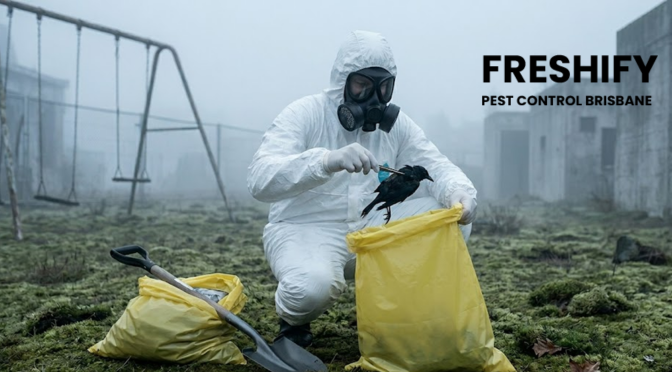
Discovering a dead animal on your property can be unpleasant and concerning. Whether it is a rodent on the roof, a possum under the deck, or a bird in the backyard, the situation requires prompt attention.
Many property owners are unsure how to handle the problem safely, and attempting to remove the animal without proper precautions can expose people to health risks and contamination.
Dead animals can attract insects, create strong odours, and potentially spread harmful bacteria and pathogens. Acting quickly and following the right steps can help protect your family, pets, and property from further issues.
This guide explains what you should do if you find a dead animal on your property and why professional dead animal removal in Brisbane is the safest solution.
Stay Calm and Assess the Situation
The first step is to determine where the animal is located and whether it is easily accessible.
A dead animal in an open outdoor area may be easier to identify and remove than one hidden inside a wall cavity, roof space, subfloor, or ventilation system. Before approaching the area, take a moment to assess the situation and consider any potential risks.
Avoid direct contact with the animal and keep children and pets away from the location until the issue has been resolved.
Avoid Handling the Animal with Bare Hands
One of the most important safety precautions is to avoid touching the animal directly. Even if the animal appears small and harmless, it may carry bacteria, parasites, or bodily fluids that can present health risks.
If removal becomes necessary, protective equipment such as disposable gloves, protective clothing, and appropriate waste disposal materials should be used. In most cases, when the animal is located in a confined or difficult-to-access space, professional dead animal removal in Brisbane is the safest option.
Identify Signs of Hidden Dead Animals
Sometimes the animal itself is not visible. Instead, homeowners may notice unusual signs that suggest a dead animal is hidden somewhere within the property.
Common indicators include:
- Strong unpleasant odours
- Increased fly activity indoors
- Stains on walls or ceilings
- Unusual insect infestations
- Persistent smells near vents or roof spaces
Locating a hidden carcass can be challenging because odours often travel through wall cavities and ventilation systems. Professional pest control exterminators use their experience to pinpoint the source efficiently.
Remove Nearby Sources of Contamination
If the dead animal is located in an accessible outdoor area, it is important to inspect the surrounding environment for contamination.
Animal remains can attract scavengers and insects, while bodily fluids may affect nearby surfaces. Once the carcass has been removed, the area should be cleaned and sanitised appropriately to minimise potential health risks.
Proper sanitation helps eliminate bacteria, reduce odours, and discourage future pest activity.
Address Odours Quickly
One of the most common problems associated with dead animals is the strong odour produced during decomposition.
These smells can become particularly noticeable when the carcass is hidden inside walls, ceilings, or under flooring. In some cases, the odour may persist for weeks if the source is not removed.
Professional dead animal removal in Brisbane not only locate and remove the carcass but also provide deodorisation and sanitation measures to restore a clean and comfortable environment.
Prevent Secondary Pest Infestations
Dead animals attract other pests. Flies, beetles, ants, and scavenging insects are commonly drawn to decomposing organic matter. What begins as a single issue can quickly develop into a larger pest problem if the carcass remains undetected.
Only pest control services can prevent secondary infestations by removing the source and identifying any conditions that may encourage future pest activity.
When to Call a Dead Animal Removal Service?
While some outdoor situations may seem manageable, professional dead animal removal in Brisbane is recommended when:
- The animal is located inside a wall or ceiling
- The source of the odour cannot be found
- The carcass is difficult to access
- There are concerns about contamination
- Multiple pests are present
- The animal is large or heavily decomposed
Professionals have the equipment, experience, and safety procedures necessary to handle removal effectively while minimising risks to occupants and the property.
Why is a Dead Animal Removal the Safer Choice?
Dead animal removal involves more than simply disposing of a carcass. Proper removal also includes locating the source, cleaning affected areas, addressing odours, and preventing future problems.
Licensed exterminators understand how to manage the entire process safely and efficiently. Their expertise helps reduce health risks, protect property, and restore a hygienic environment as quickly as possible. For homeowners dealing with unpleasant odours or hidden animal remains, dead animal removal in Brisbane provides the fastest and most reliable solution.
Encountered a Dead Animal On Your Property?
Freshify Pest Control Brisbane is a reliable name when it comes to same day dead animal removal in Brisbane. Our experienced and licensed pest control team can safely locate and remove animal carcasses, addresses odour issues, and helps prevent future pest problems.
Call us today to book a dead animal inspection and removal service.
FAQs On Deal Animal Removal Services
Can a dead animal inside a wall attract other pests?
Yes. Decomposing animals attract flies, beetles, ants, and other scavenging insects that can create additional pest problems throughout the property.
Is it safe to remove a dead animal from my roof space?
Roof spaces can present safety risks and may expose individuals to bacteria, parasites, and difficult working conditions. Professional dead animal removal in Brisbane is usually recommended.
Why are flies suddenly appearing inside my home?
An unexplained increase in fly activity can sometimes indicate the presence of a dead animal hidden within a wall cavity, ceiling space, or other concealed area.
What happens if a dead animal is left untreated?
Leaving a carcass in place can lead to stronger odours, bacterial contamination, insect infestations, and serious health concerns for inhabitants.
Can pest control experts find a dead animal if I cannot see it?
Yes. Experienced exterminators can identify the source of odours and locate hidden carcasses using inspection techniques and knowledge of common animal nesting areas.
