
 07 3778 7153
Fast Dead Animal Removal in Bardon
Freshify Pest Control Brisbane provides professional dead animal removal in Bardon, helping residential and commercial property owners safely remove deceased animals. From carcass removal and responsible disposal to sanitisation and odour treatment, we take care of every step with professionalism and attention to detail.
Whether you’ve found the animal or simply noticed a persistent unpleasant smell, our experienced team is ready to provide prompt, reliable, and hassle-free assistance.
Need Immediate Dead Animal Removal?
Affordable Dead Animal Removal Services
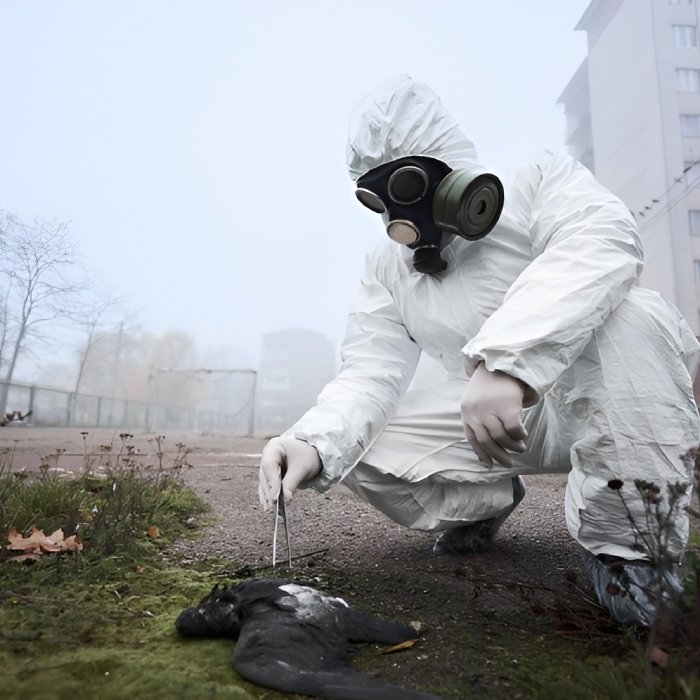
At Freshify Pest Control Brisbane, we provide affordable dead animal removal services for residential and commercial properties. Every job is carried out with careful handling, responsible disposal, and thorough clean-up where required, giving you confidence that the issue has been dealt with properly.
Whether you need same day dead animal removal or emergency dead animal removal, Freshify Pest Control Brisbane is your trusted local dead animal removal provider in Bardon, delivering prompt, professional, and reliable service.
Our dead animal removal service includes:
- Safe animal carcass removal
- Dead animal pickup and collection
- Responsible dead animal disposal
- Sanitisation of affected areas
- Professional odour control and deodorisation
- Dead animal removal for residential and commercial properties
Signs You May Have a Dead Animal on Your Property
- Persistent Unpleasant Odour: A strong, lingering smell is often the clearest sign that a dead animal is hidden somewhere on the property. The odour may spread through multiple rooms, particularly if the animal is inside the roof, ceiling, wall cavity, or beneath the house.
- Increased Fly Activity: Flies are naturally attracted to decomposing animals. If you’ve suddenly noticed an unusual number of flies gathering around a particular area, it’s worth investigating further.
- Unusual Stains or Discolouration: Dark stains appearing on ceilings or walls can sometimes indicate fluids from a decomposing animal hidden within the structure.
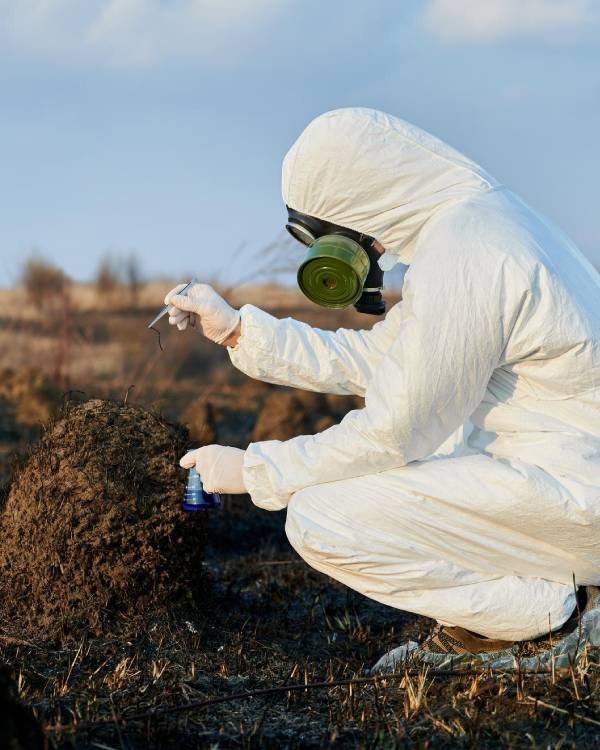
- Visible Animal Carcass: If you’ve discovered a dead animal in your backyard, garden, garage, driveway, or around your commercial premises, it’s important to arrange removal as soon as possible. Leaving it unattended can attract pests and create unnecessary health risks.
- Pets Showing Unusual Interest: Dogs and cats often detect odours long before people do. If your pet repeatedly sniffs, scratches, or focuses on one location, there may be a dead animal nearby.
Don’t Let the Problem Get Worse – Contact Us for Same Day Dead Animal Removal
Our Dead Animal Removal Services
Residential Dead Animal Removal
Our residential dead animal removal service is designed to minimise disruption while addressing the issue efficiently. Once the carcass has been removed, we can sanitise the area and treat lingering odours where required, helping your home feel fresh again.
Commercial Dead Animal Removal
Our experienced team works efficiently and discreetly to minimise disruption to your daily operations, allowing your business to continue running smoothly.
Sanitisation & Odour Control
Types of Dead Animals We Remove
Dead Possum Removal
Dead Rat Removal
Dead Bird Removal
Dead Rodent Removal
Other Dead Animal Removal
Common Hiding Spots for Dead Animals on Bardon Properties
- Roof and ceiling spaces are the most frequent offenders. Possums in particular favour the insulation and timber framing up there, and once an animal dies in this space, the odour often travels along the roofline before it’s noticeable inside a room. We access these areas safely, without unnecessary damage to insulation or roofing.
- Inside wall cavities, the challenge is different — there’s rarely a clear entry point to inspect, so locating the animal often means working from odour concentration, sound, or staining rather than a visual line of sight. This is one of the trickier jobs and usually takes a bit more time to get right.
- Subfloors and under-house areas are common in a lot of Bardon’s older Queenslander-style homes, where the gap beneath the house becomes an easy shelter for rodents, bandicoots, or the occasional stray cat. These spaces are often damp and dark, which unfortunately also slows decomposition and extends the smell.
- Sheds, garages, and storage areas tend to attract animals looking for a quiet, undisturbed spot — this is especially common around Bardon’s mix of residential garages and the light industrial and warehouse sites nearby, where stacked materials or stored equipment create easy hiding spots.
- Gardens, yards, and outdoor areas are usually the most straightforward — a carcass under a shrub, near a fence line, or tucked into garden beds is generally visible once you know where to look, though pets are often the ones to sniff it out first.
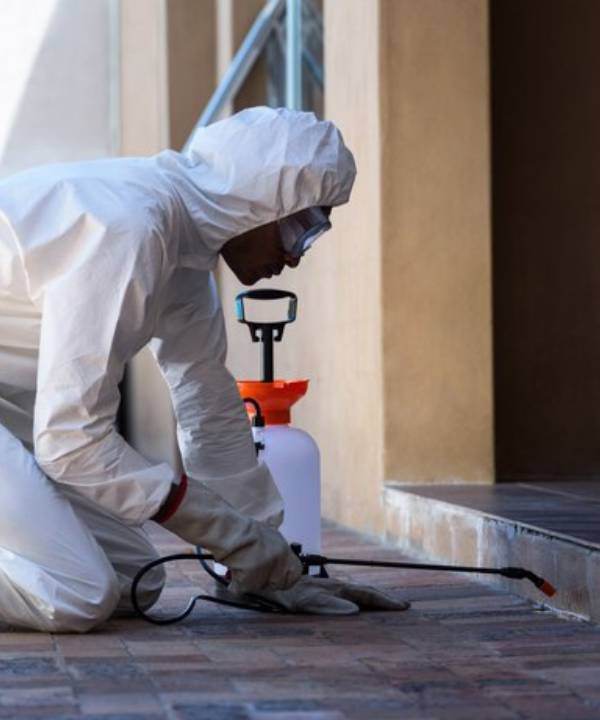
Our Dead Animal Removal Process
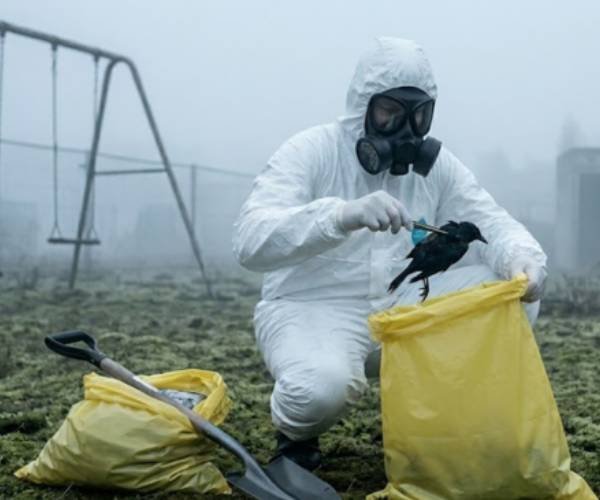
Local Dead Animal Removal Services for Bardon Properties
Freshify Pest Control Brisbane provides professional dead animal removal services throughout Bardon, assisting homeowners, landlords, businesses, and property managers with the safe removal and disposal of deceased animals. Whether the animal is located inside a roof space, wall cavity, ceiling, backyard, under the house, or around a commercial property, our experienced team responds promptly to remove the carcass, sanitise affected areas where required, and help eliminate lingering odours. Every service is carried out with care, ensuring your property is left clean, safe, and hygienic.
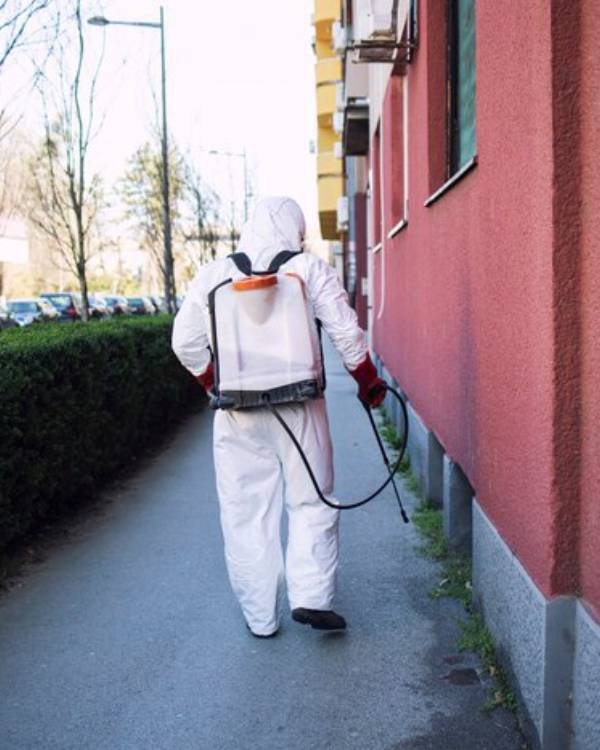
Why Choose Freshify Pest Control Brisbane?
- Prompt Response Times: Dead animals should be removed as soon as possible. We respond quickly and offer same-day appointments wherever possible.
- Experienced Local Professionals: With extensive experience handling deceased animals across a variety of residential and commercial properties, we know how to manage each situation safely and efficiently.
- Complete Removal Service: From locating the carcass and safe removal to disposal, sanitisation, and odour treatment, we take care of every stage of the process.
- Residential & Commercial Expertise: Whether you own a home, office, retail store, warehouse, restaurant, or industrial facility, we deliver solutions tailored to your property.
- Competitive Pricing: We believe in providing quality services at competitive prices, with transparent quotes and no unnecessary surprises.
- Friendly & Reliable Service: Customer satisfaction is at the heart of everything we do. From your first phone call through to job completion, you can expect clear communication and professional service.
Found a Dead Animal? Here’s What to Do
Frequently Asked Questions
How long does the smell of a dead rat or rodent last inside a roof cavity?
The duration can vary considerably depending on temperature, ventilation, humidity, the animal's size and whether the carcass remains undisturbed. A dead rodent hidden in an enclosed roof or wall cavity may continue producing an unpleasant odour after death, which is why locating and removing the source is generally more effective than attempting to mask the smell.
Can dead rats or mice be removed from walls and ceiling cavities without damaging the property?
It depends on where the carcass is located and how accessible the cavity is. A professional assessment can help determine whether the animal can be reached through an existing access point or whether another approach is necessary, reducing the risk of unnecessary cutting or disturbance to walls, ceilings and insulation.
What should I do if I find a dead possum in my roof or backyard in Acacia Ridge?
Avoid handling the possum yourself and consider the applicable Queensland wildlife requirements. Possums are protected wildlife in Queensland, and their removal is subject to specific requirements. If a recently dead possum is found, Queensland Government also recommends checking whether there are live young in its pouch, where this can be done safely without direct handling.
Can a dead possum in the roof cause a strong smell throughout the house?
Yes, odours from a carcass inside a roof cavity can travel through gaps, vents and other openings into occupied areas. The smell may be particularly noticeable in rooms directly beneath or adjacent to the affected cavity, although the strongest-smelling area is not always the exact location of the carcass.
What should I do if I find a dead bird on my Acacia Ridge property?
Keep children and pets away from the carcass and avoid unnecessary contact. If the bird is in an accessible outdoor location, appropriate removal and disposal may be possible depending on the circumstances. If it is inside a roof, ventilation system or another difficult-to-access location, professional assessment can help determine the safest removal approach.
Is it safe to pick up a dead rat, mouse or bird myself?
Direct contact with a deceased animal should be avoided where possible. If removal is necessary, appropriate protective precautions and hygiene practices are important, particularly where decomposition, fluids or insect activity are present. Concealed carcasses in roofs, walls or under-house spaces can also be difficult to reach safely.
What should I do if I find a dead bat near my home in Acacia Ridge?
Do not touch or pick up the bat. Queensland Health advises people not to handle dead or distressed bats because Australian bat lyssavirus can be transmitted to humans through exposure. If someone has been bitten, scratched or otherwise exposed to bat saliva, urgent medical advice should be sought.
Can dead animal removal include cleaning and odour treatment after the carcass is removed?
It can, depending on the service provider and condition of the affected area. Removing the carcass addresses the source, but decomposition may leave fluids, organic residue and persistent odour. An assessment can determine whether cleaning, sanitisation or odour-management measures are appropriate.
Why are flies suddenly appearing around one part of my house after I notice a bad smell?
Decomposing organic material can attract flies and other insects. If an unusual concentration of flies appears alongside a persistent odour, a concealed deceased animal may be one possible explanation. However, insect activity can have several causes, so the source should be investigated rather than assumed.
Can a dead animal inside a wall cause stains or damage to the ceiling?
It can potentially contribute to staining or contamination if decomposition fluids affect surrounding materials, but stains can also result from leaks, condensation, plumbing problems and other causes. When unexplained staining occurs together with a persistent animal odour, investigating the area may help determine whether a carcass is involved.
How do professionals find a dead animal when there is only a smell but no visible carcass?
The inspection generally starts by identifying where the odour is strongest and examining accessible areas for signs such as insect activity, staining, animal access points or other evidence. The property's roof, ceiling, wall, subfloor and external areas may need to be considered depending on where the smell appears to originate.
Can a dead animal attract more pests to my Acacia Ridge property?
A decomposing carcass can attract insects and other scavenging organisms. More importantly, if the animal entered through an opening in the property, the same access point may remain available to other animals. After removal, identifying potential entry points can therefore be an important part of preventing another incident.
What types of dead animals are commonly found around Acacia Ridge properties?
Depending on the property and surrounding environment, deceased animals may include rats, mice and other rodents, birds, possums and other wildlife, as well as animals such as lizards, snakes or rabbits. The appropriate handling method depends on the species and circumstances. Native wildlife may be subject to Queensland-specific requirements, so species identification matters.
How quickly should a dead animal be removed from a roof, wall or backyard?
Prompt assessment is sensible when a carcass is discovered, particularly if it is inside an occupied building or producing strong odour or insect activity. Leaving a concealed carcass undisturbed can allow decomposition and associated odours to continue. The urgency also depends on the animal, location, accessibility and surrounding conditions.
